
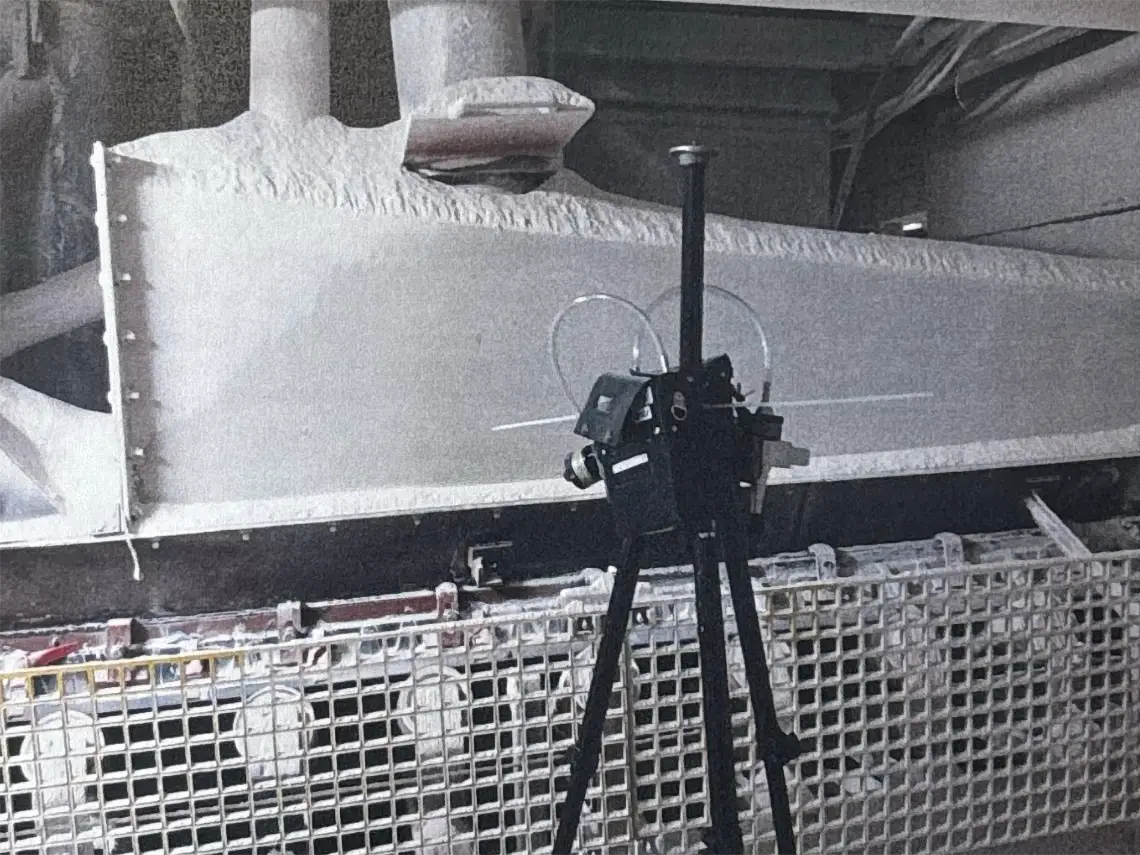
IFG comparative measurement confirms the performance efficiency of AirScrape
UP TO 83% LOWER DUST CONCENTRATION THROUGH CONTACT-FREE SEALING
An independent comparative measurement conducted by IFG and BG RCI clearly demonstrates significantly reduced dust emissions when using AirScrape® compared to a conventional side sealing system.
An independent comparative measurement conducted by IFG and BG RCI clearly demonstrates significantly reduced dust emissions when using AirScrape® compared to a conventional side sealing system.
A production site in the chemical industry faced considerable challenges caused by dust emissions in conveyor transfer areas. In particular, the handling of fine potassium sulfate resulted in elevated dust exposure within the working environment.
To objectively evaluate potential optimization measures, a comparative emission measurement was carried out under real operating conditions. The objective was to reliably quantify the effectiveness of different sealing systems and establish a sound basis for decision-making.
The Challenge
During the conveying of fine potassium sulfate, significant dust release occurred in the conveyor transfer zones. In particular, conventional contact-based side sealing systems resulted in:
- increased dust exposure in the working environment
- additional cleaning efforts due to dust accumulation
- potential health risks for employees
- more difficult compliance with occupational exposure limitsn
This situation made an objective and comparable evaluation of alternative sealing technologies necessary.
The Solution
The investigation was conducted by independent specialized institutions — the Institute for Hazardous Substance Research (IFG) and the German Social Accident Insurance Institution for the Raw Materials and Chemical Industry (BG RCI) — to ensure a neutral and technically sound assessment.
As part of a comparative measurement, two different sealing systems were evaluated under real operating conditions:
- a conventional contact-based side sealing system (Type: Rema TT)
- the contact-free conveyor belt sealing system AirScrape
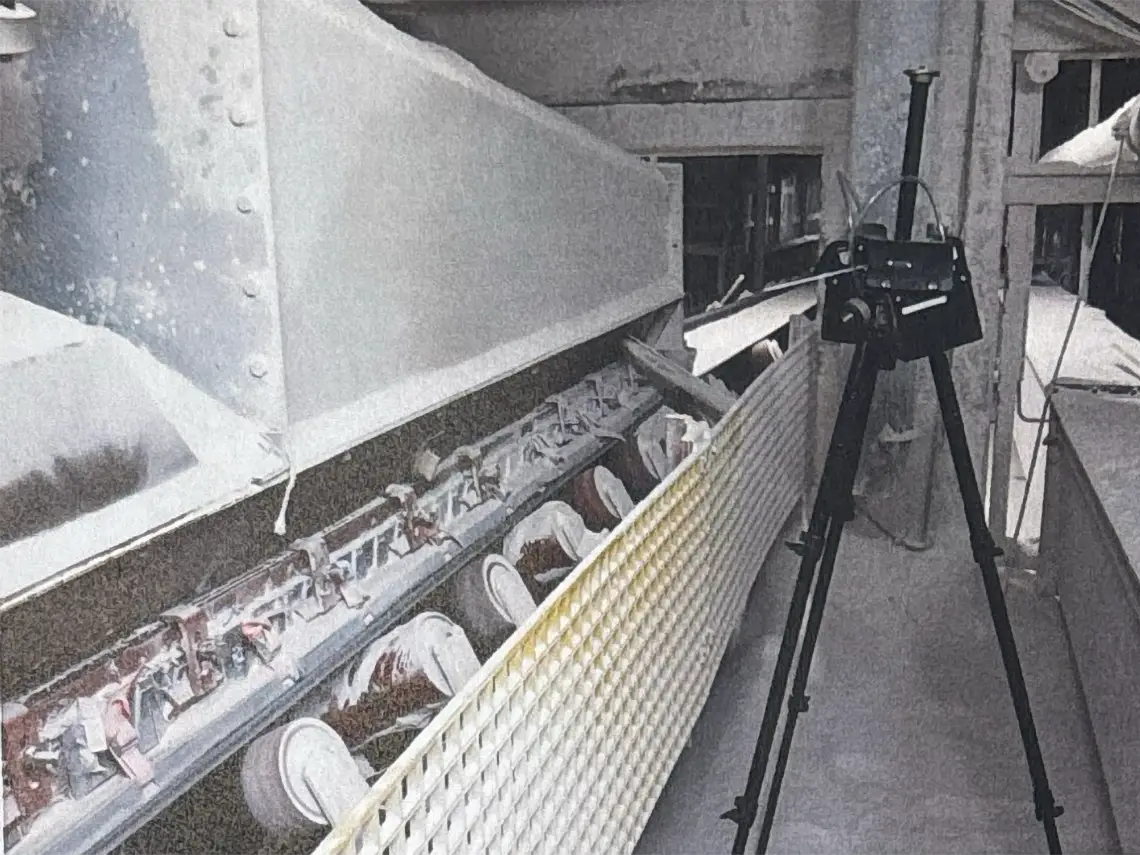
The measurements were performed directly at the installation under comparable operating conditions. The aim was to quantitatively record dust emissions in the working area and objectively compare the effectiveness of both systems.
The testing procedure was based on established methods for determining workplace dust exposure and complied with applicable occupational hygiene standards.
The Results
The comparative measurement revealed significant differences between the two systems:
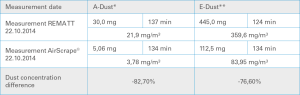
Finest particles capable of penetrating into the pulmonary alveoli, where they may cause adverse health effects.
** E-dust (inhalable dust):
Total amount of inhaled dust particles entering through the mouth and nose, including coarser particle fractions.
- Significantly reduced dust emissions when using the contact-free system
- Clearly measurable differences between conventional sealing and AirScrape
- Improved compliance with relevant occupational exposure limits
- Substantially lower dust concentration in the direct vicinity of the installation
Economic Benefits and Long-Term Success
In addition to the measurable reduction in dust emissions, further operational advantages were achieved:
- improved working conditions and increased occupational safety
- reduced cleaning effort due to lower dust accumulation
- more stable and efficient plant operation
- reliable decision-making basis through independent measurement data
The results demonstrate that the choice of sealing system has a direct impact on emissions, operating costs, and system performance.
Conclusion
The comparative measurements clearly demonstrate that modern contact-free sealing systems can make a decisive contribution to reducing dust emissions.